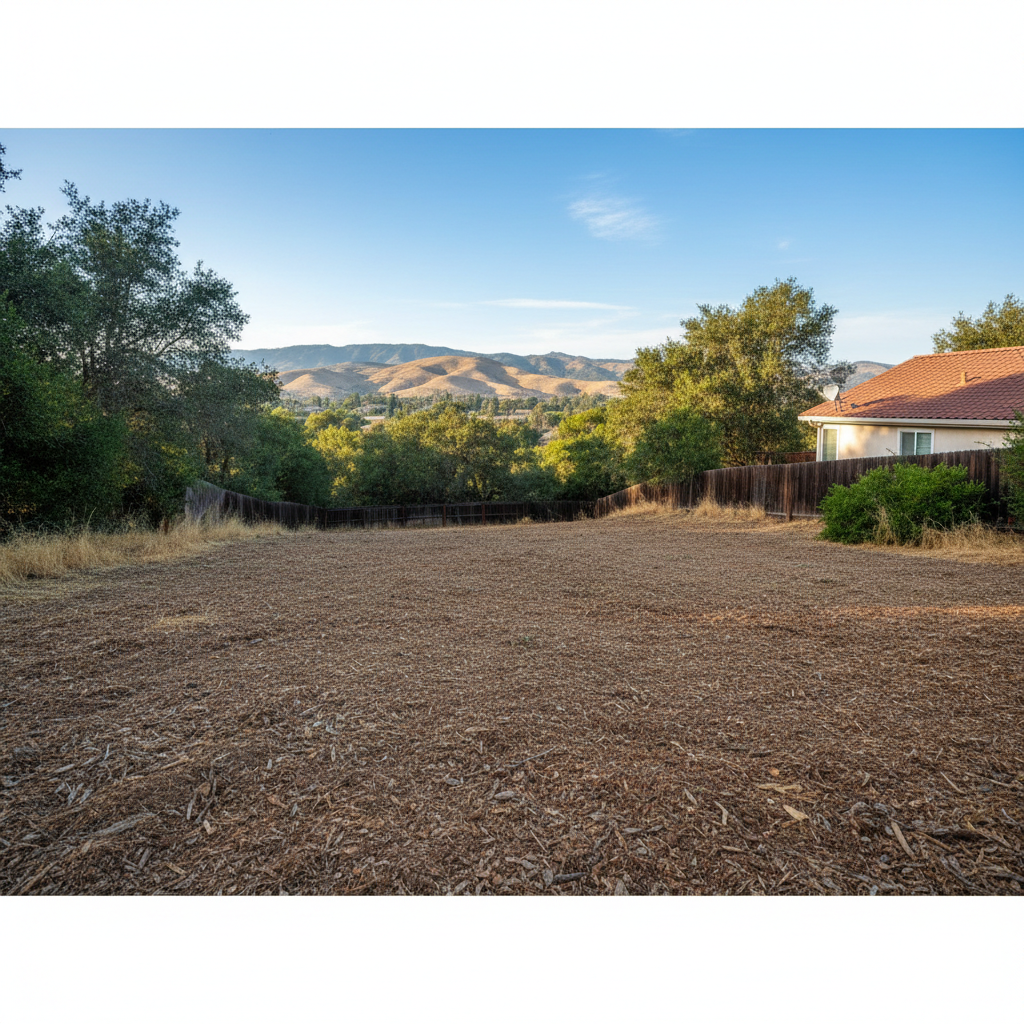
So, you've just had a big chunk of land cleared, maybe for a new build, a garden expansion, or just to get rid of overgrown brush. That's a huge step, and it feels good to see that open space. But here's the thing: land clearing isn't a 'one and done' deal, especially not here in Milpitas with our particular climate and fast-growing vegetation. If you don't keep up with it, that brush, those weeds, and even small trees will start creeping back in faster than you'd think. You've invested in getting it cleared; now let's talk about how to protect that investment and keep your property looking good and staying safe.
Extending the Life of Your Land Clearing Work
The whole point of clearing land is usually to use it for something else, or at least to keep it from becoming a fire hazard. To make sure that work lasts, you've got to think about what comes next. Erosion is a big one, especially on slopes or after heavy rains, which we definitely get here in winter. If you've got exposed soil, it's going to wash away, and with it, any seeds that might have been buried will get uncovered and sprout. Planting ground cover, laying down mulch, or even hydroseeding can make a huge difference. This isn't just about looks; it stabilizes the soil and makes it harder for invasive weeds to take root. Think about what you want the land to be – a lawn, a garden, a building site – and plan accordingly. Don't leave it bare for too long.
What Regular Maintenance Looks Like
Regular maintenance is mostly about staying on top of things before they get out of hand again. It's much easier to pull a few young weeds than to clear a whole patch of mature brush. Here's what I recommend:
- Weed Control: This is probably your biggest battle. Hand-pulling works for smaller areas and young weeds. For larger spaces, you might consider pre-emergent herbicides to stop seeds from sprouting, but be careful with what you use, especially if you're planning a garden.
- Mowing or Trimming: If you're keeping the area as open space or a field, regular mowing helps suppress woody growth and keeps grasses from going to seed too much. Depending on how fast things grow, you might need to do this monthly during the spring and summer.
- Brush Cutting: For those tougher, woody plants that try to come back, a brush cutter or even a chainsaw for bigger saplings will be your friend. Don't let them get established.
- Checking for New Growth: Walk your property regularly, maybe once a month. Look for anything that's sprouting up that shouldn't be there. Catch it early.
Our Milpitas climate, with its hot, dry summers and mild, wet winters, means plants can really take off in the spring. You'll see a surge of growth after the winter rains, so that's a critical time to be vigilant.
Warning Signs of Problems
You'll know you're falling behind if you start seeing certain things. The most obvious is a noticeable increase in vegetation density. If you can't easily walk through an area that was once clear, you've got a problem. Look for:
- New sprouts: Especially from stumps or roots that weren't fully removed. Some trees, like eucalyptus, are notorious for resprouting vigorously.
- Dense weed patches: If you see large areas covered in weeds like mustard, thistle, or even poison ivy (which we definitely have around here), it's time to act.
- Erosion: Gullies forming, exposed tree roots, or soil washing away after rain are big red flags. This means your soil isn't stable, and it's a huge problem for future growth and property integrity.
- Pest infestations: Overgrown areas can become havens for rodents, snakes, and insects. If you start seeing more of these critters than usual, it might be because your cleared land is getting re-wilded.
When to Call a Professional
Look, sometimes the job just gets too big, or you don't have the right equipment. That's when you call in the pros. You should definitely reach out if:
- The regrowth is too dense to handle yourself: If you're looking at a forest of saplings or thick, thorny brush, you'll need heavy-duty equipment and expertise.
- You're dealing with hazardous plants: Things like poison oak or highly invasive species are best left to people who know how to handle them safely and effectively.
- You have large stumps or roots resprouting: If you didn't get stump grinding done initially, or if a particularly stubborn root system is sending up multiple shoots, a professional can grind them out properly.
- Erosion is a serious issue: Stopping significant erosion often requires specialized knowledge and equipment for grading, terracing, or installing erosion control measures.
- You need a controlled burn or specific land management plan: For larger properties, especially those bordering open spaces, a professional can help you develop a long-term plan that might include prescribed burns or specific vegetation management strategies to meet fire safety codes.
Don't let your cleared land go back to square one. A little consistent effort goes a long way. And if you ever feel overwhelmed or need a hand, that's what Milpitas Tree Service is here for. We've seen it all, and we can help you keep your property looking its best.