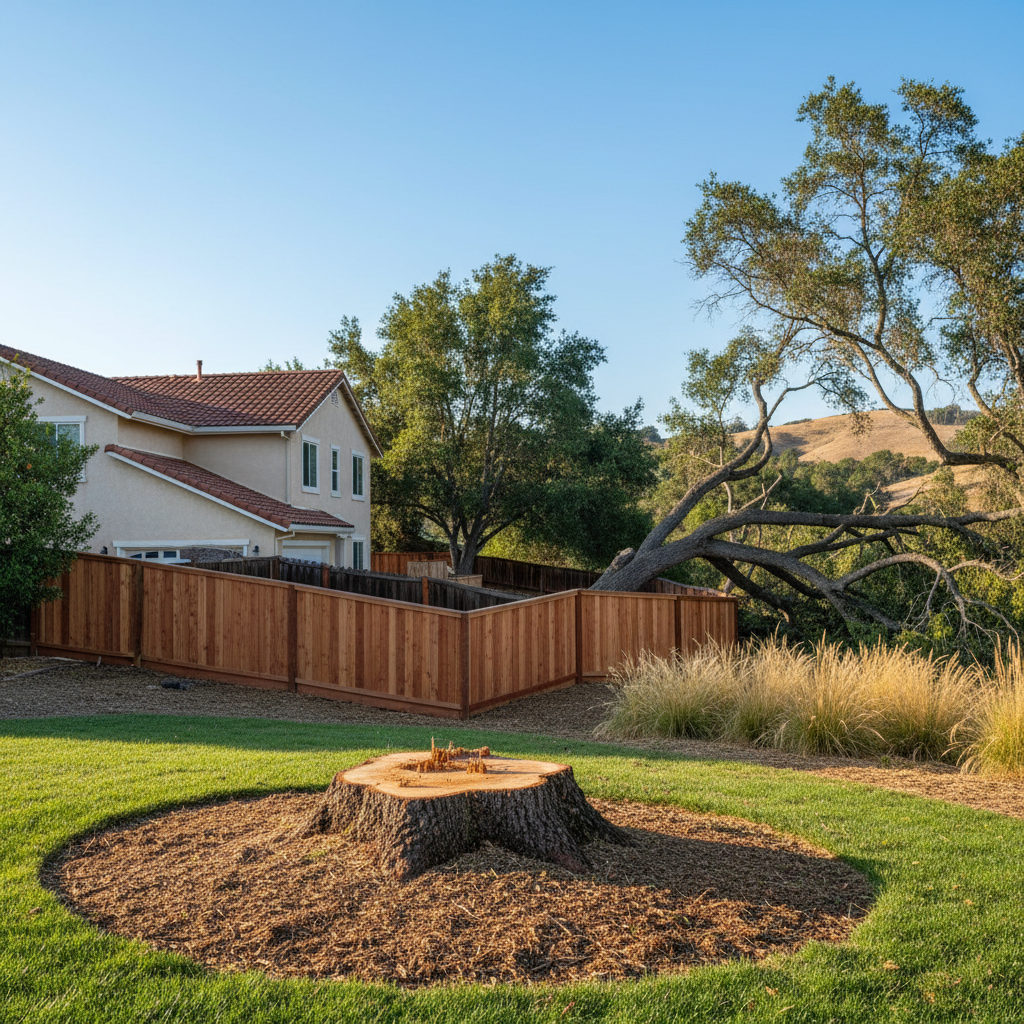
A tree emergency is no fun. One minute you're enjoying your backyard, the next there's a huge branch through your fence, or worse, a whole tree leaning precariously over your house. When that happens, it's easy to get stressed and make some quick decisions. But believe me, some quick decisions can turn into long-term regrets. I've seen it countless times here in Milpitas. Let's talk about the most common mistakes folks make when they're dealing with an emergency tree removal.
Mistake #1: Hiring the First Guy Who Answers the Phone
I get it. You're in a bind. You just want the problem gone. So you call the first number you find, or the guy with the cheapest quote. That's a huge red flag right there. Emergency work often means higher prices, but 'emergency' shouldn't mean 'unlicensed' or 'uninsured'. You wouldn't believe how many times I've been called in to fix a mess left by someone who wasn't properly equipped or trained for emergency work. If they're not licensed and insured, you're taking a massive risk. If they get hurt on your property, or if they damage your house or a neighbor's property, guess who's on the hook? You are. Always ask for proof of insurance and their license number. A reputable company won't hesitate to provide it.
Mistake #2: Not Understanding the Scope of Work (or Lack Thereof)
When you're dealing with an emergency, sometimes the immediate goal is just to get the tree off your house or out of the way. But what about the cleanup? What about the stump? I've seen homeowners agree to a price for 'emergency removal' only to find out it means the tree is cut into large sections and left in their yard. Or the stump is left high and ugly. Make sure you get a clear understanding of what the quote includes. Does it include hauling away all the debris? Does it include stump grinding? If not, factor those additional costs and efforts into your decision. Don't assume anything, especially when you're under pressure.
Mistake #3: Ignoring Safety Protocols
This one's a biggie. Emergency tree removal, especially after a storm, can be incredibly dangerous. We're talking about heavy, unstable limbs, sometimes live power lines, and often working in adverse weather. A professional crew knows how to assess these risks and has the right equipment – cranes, specialized rigging, safety harnesses, and personal protective gear. If you see a crew showing up with a few chainsaws, a pickup truck, and no visible safety equipment, run the other way. It's not worth putting anyone's life at risk, including your own or your neighbors'. Here in Milpitas, we get some pretty strong winds sometimes, especially coming off the Bay, and those can really weaken trees, making them unpredictable. Safety has to be the number one priority.
Mistake #4: Not Getting a Written Agreement
Even in an emergency, a handshake deal is a bad idea. Get everything in writing. What services are being provided? What's the total cost? When will the work be completed? What happens if there's additional damage? A written agreement protects both you and the tree service. It clarifies expectations and prevents disputes down the line. If a company is hesitant to provide a written quote or contract for emergency work, that's another red flag. They might be trying to pull a fast one.
Mistake #5: Trying to DIY an Emergency
Look, I know some of you are handy. You've got a chainsaw, you've trimmed branches before. But an emergency tree removal is a whole different beast. It's not just about cutting wood; it's about understanding tree mechanics, weight distribution, potential hazards like power lines, and how to safely bring down large, unstable sections. I've seen people get seriously hurt, or cause more damage, trying to tackle an emergency tree themselves. Don't be that guy. It's just not worth the risk to your property or your well-being. Call a professional. Milpitas Tree Service is here for a reason – we've got the training and the gear to do it right and safely.
When a tree emergency hits, take a deep breath. Don't let panic push you into a bad decision. Do a little bit of vetting, ask the right questions, and make sure you're hiring someone who knows what they're doing. It'll save you a lot of headaches, and potentially a lot of money, in the long run.