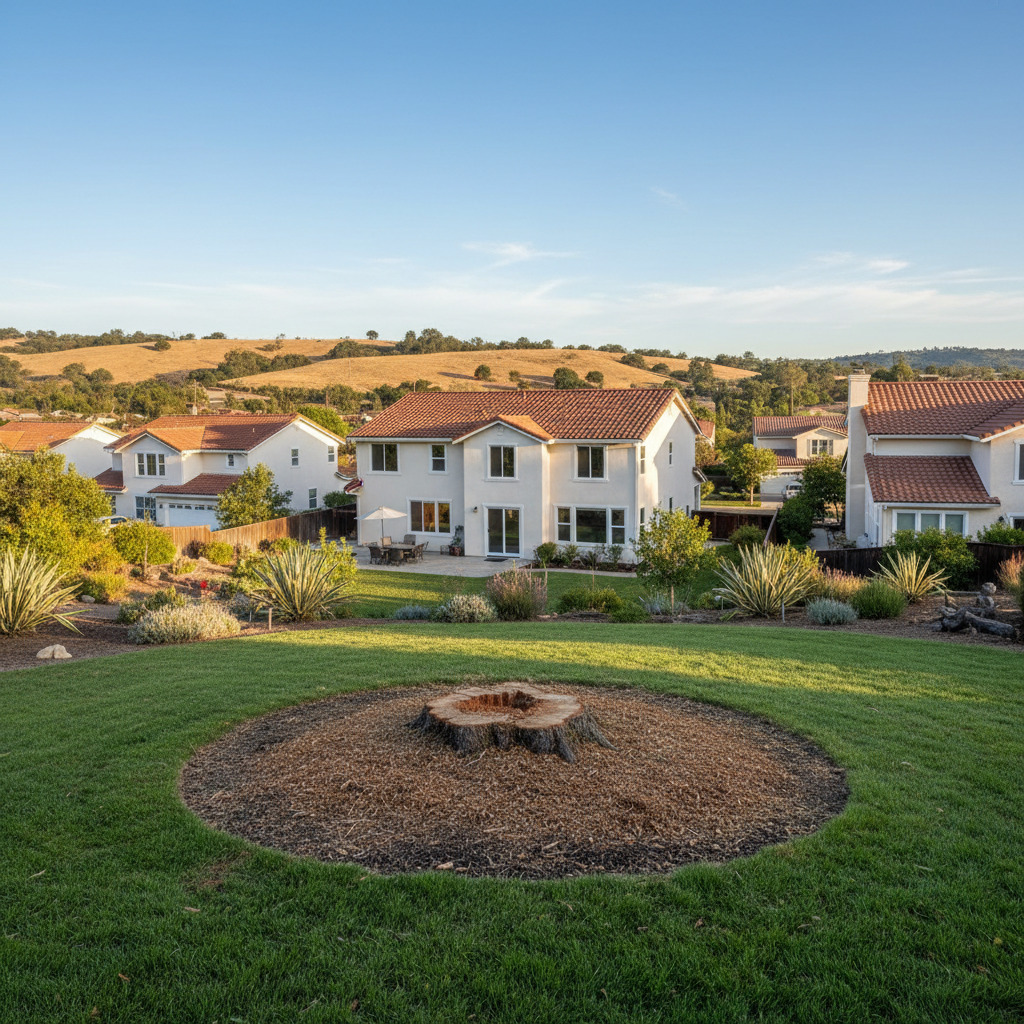
You've got a tree that needs to go. Maybe it's leaning a little too much after a storm, or its roots are starting to mess with your driveway. Whatever the reason, deciding when to get it removed can feel like a guessing game. But here in Milpitas, our local climate actually gives us some pretty clear signals about the best times to schedule this kind of work.
Why Timing Your Tree Removal Matters
It's not just about us being available, though that's part of it. When we talk about tree removal, we're thinking about safety, efficiency, and sometimes, even the health of your remaining landscape. The weather plays a huge role in how smoothly and safely we can get the job done. You wouldn't want us trying to maneuver heavy equipment on soggy ground, right? Or trying to cut limbs when the wind's whipping around.
The Best Seasons for Tree Removal in Milpitas
Honestly, you can remove a tree any time of year if it's an emergency. But for planned removals, there are definitely better windows.
- Late Fall to Early Spring (November - March): This is usually our sweet spot. Why? The trees are dormant. They've dropped their leaves, so there's less canopy to deal with, which means less debris to haul away. It also means better visibility for our crew, making the job safer and often quicker. The ground is typically firmer than in the peak of winter, but not as hard as in the dry summer. Plus, with fewer leaves, you get a clearer view of the tree's structure and any potential hazards. It's also when we tend to have more availability before the spring rush.
- Summer (June - August): We can do removals in the summer, no problem. But it's usually hotter, which means our crew needs more breaks, and it can be a bit more strenuous. Trees are in full leaf, so there's more biomass to handle. The ground can also be very dry and hard, which isn't a huge issue for removal itself, but it's something to consider if we're bringing in heavy machinery that might compact soil. If you're in one of those older Milpitas neighborhoods with established, mature trees, summer removal might mean more careful planning around your landscaping.
- Peak Rainy Season (December - February, some years): This is often the trickiest time. While trees are dormant, heavy rains can make the ground incredibly soft and muddy. This makes it tough to get equipment in without tearing up your lawn or creating deep ruts. It also increases the risk of slips and falls for our crew. If we get a big storm cycle, we might have to reschedule for safety reasons. We've seen properties in the foothills get particularly saturated, making access a real challenge.
Weather Conditions That Affect Our Work
Beyond the season, specific weather conditions can dictate whether we can safely proceed with a removal:
- High Winds: This is a big one. Even moderate winds can make felling a tree or lowering large limbs incredibly dangerous. It's just too unpredictable. We'll always err on the side of caution and reschedule if the wind speeds are too high.
- Heavy Rain: As I mentioned, muddy conditions are a no-go for heavy equipment. Visibility also decreases, and wet surfaces are slippery. Light rain? Usually fine. A downpour? Not so much.
- Lightning: This should be obvious, but we don't work during thunderstorms. Period.
Protecting Your Investment Year-Round
Even after a tree's gone, or if you're just maintaining the ones you have, thinking year-round is smart. Regular tree trimming and pruning can prevent many removal situations down the line. We're talking about removing dead or weak branches that could become hazards in a storm. For the trees you keep, proper watering, especially during our dry Milpitas summers, is crucial. Healthy trees are less likely to become liabilities.
If you've got a tree that's looking sickly, or you're just not sure about its stability, don't wait until the next big storm. Give us a call at Milpitas Tree Service. We can come out, assess the situation, and give you an honest opinion on whether it needs to go and when the best time would be to do it. Planning ahead saves you headaches, and sometimes, a lot of money too.